

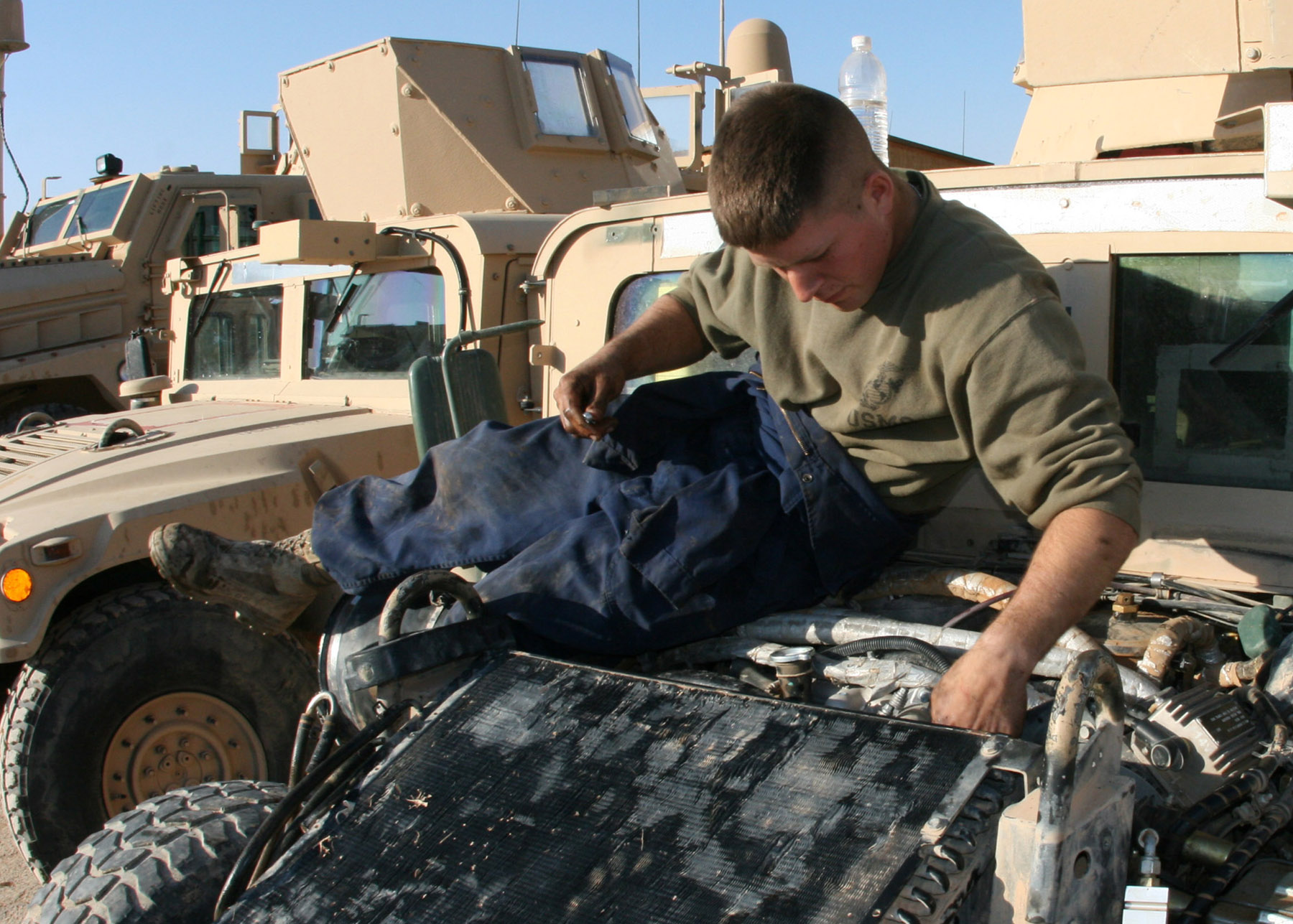
Maintenance & Care | General guidance; use your vehicle’s handbook and a qualified technician for model-specific work.
Spring does not need a heatwave to expose a weak cooling system. Stop-start traffic, long climbs, a loaded car and a hot afternoon can all add load. The useful pre-trip question is not “Can I add water?” but “Is the cooling system at the correct level, with the correct fluid, and showing no sign of a leak?”
Make it a cold-engine check
Park on level ground, switch the vehicle off and let the engine cool completely. Do not loosen a radiator or coolant-reservoir cap while the engine is hot: pressurised steam or coolant can cause burns. Toyota’s owner guidance gives the same warning and says a vehicle showing a high-temperature warning should be stopped safely and allowed to cool. Toyota Owners: overheating guidance
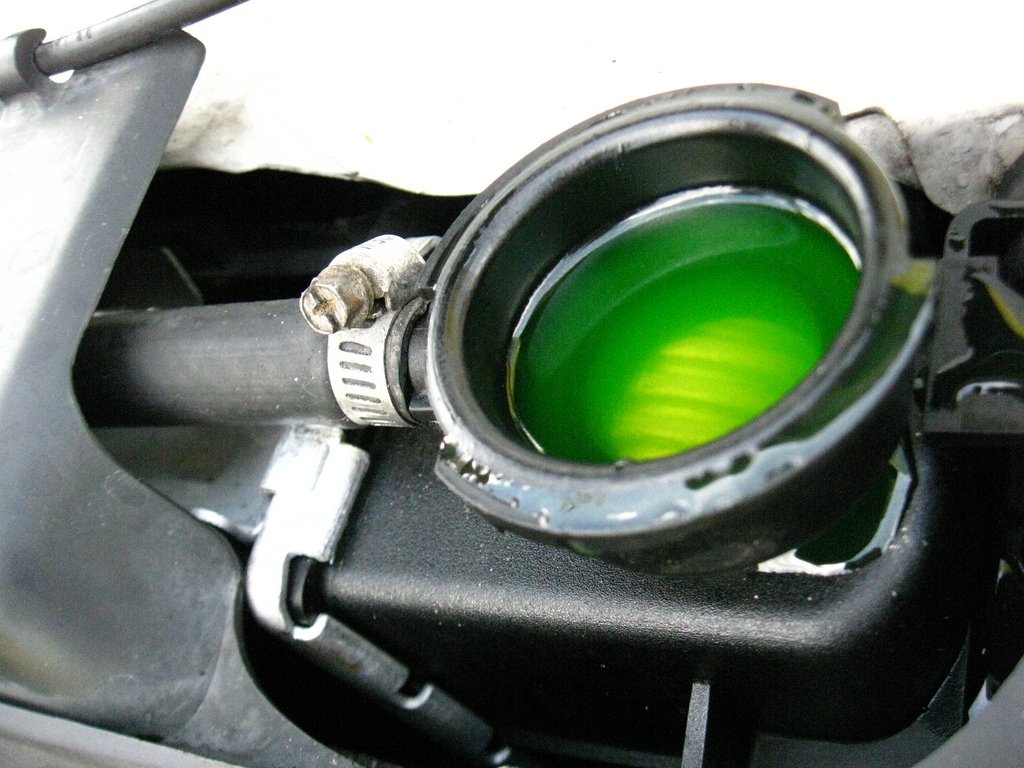
Read the marks; do not guess the fluid
On many cars the translucent expansion tank has MIN and MAX marks. With the engine cold, the level should sit within that range. The exact tank, procedure and acceptable level vary by model, so the owner’s manual is the authority. The U.S. National Highway Traffic Safety Administration similarly advises owners to use coolant that meets the manufacturer’s specification and to have the system checked for leaks and coolant condition. NHTSA: cooling-system check
Do not choose coolant by colour. Manufacturers use different formulas and service intervals; Toyota says its interval depends on the vehicle and coolant type and directs owners back to the handbook. Treat an unexplained low level as a reason to investigate, not a routine invitation to keep topping up. Toyota: coolant service guidance
What to look for in six minutes
- Level: confirm the cold level is between the marks; do not overfill.
- Leaks: look for wetness, dried residue or a sweet smell around the reservoir, hoses, radiator area and beneath the parked car. If you find a leak, book a repair rather than relying on repeated top-ups.
- Hoses and clamps: with the engine off and cold, look for obvious cracks, swelling, rubbing or loose-looking connections. NHTSA specifically lists bulges, blisters, cracks and cuts as signs to address on under-bonnet rubber parts. NHTSA: belts and hoses
- Temperature warning: know what the coolant-temperature warning looks like in your own car. A high-temperature warning or gauge entering the red is a pull-over-and-cool-down signal, not one to drive through. Toyota: warning-light guide
What a roadside response should be
If the temperature rises abnormally, pull over safely, switch off the air-conditioning and stop the engine as your handbook directs. Keep hands and clothing clear of fans and belts, and do not remove a hot cap. Once fully cool, a visual check may help you decide whether assistance is needed; it is not a licence to dismantle the system at the roadside. Toyota Owners: safe response to overheating

A small check that prevents a bigger decision
For drivers planning a school run, a weekend away or a long intercity leg, a cold-engine inspection is quick and costs nothing. The important limits are equally simple: use the specified coolant, never open a hot cooling system, and treat repeat loss of coolant or an overheating warning as a workshop problem. That is cheaper and safer than turning a warning light into a recovery call.
Sources
- NHTSA — Summer Driving & Road Trip Tips
- Toyota — How Often to Change Engine Coolant
- Toyota Owners — If Your Vehicle Overheats
- Toyota — Dashboard Symbols & Warning Lights
Image licences: the coolant image is CC BY 2.0 with attribution to EvelynGiggles; the workshop radiator image is a U.S. Marine Corps public-domain work. Both source pages are linked in the captions.


