Africa’s fleet market is changing faster than most people expected. Rising fuel costs, tighter environmental rules, bigger trade corridors, and the steady pressure to do more with less are pushing operators to rethink everything from vehicle choice to maintenance strategy.
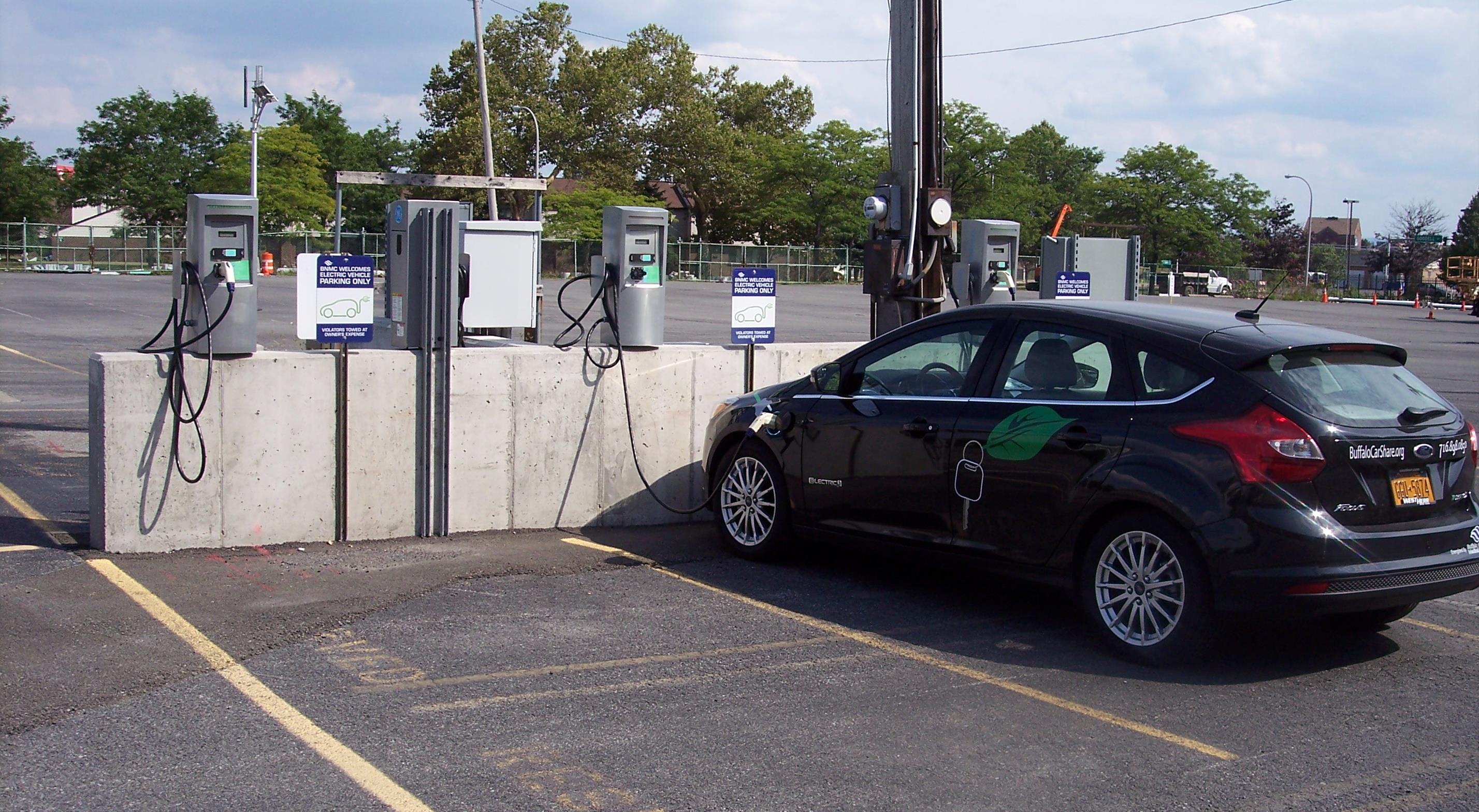
The biggest shift is likely to be practical, not flashy. By 2036, fleets across the continent will probably be a mix of smaller turbocharged engines, more hybrids, a growing number of EVs in urban delivery routes, and more data-driven maintenance programs that catch problems before trucks stop rolling.
That matters because uptime is king. A vehicle that spends too much time off the road quickly becomes the most expensive vehicle in the fleet, even if its sticker price looked attractive at purchase. That’s why oil analysis, tyre monitoring, predictive diagnostics, and driver-behaviour tracking are moving from nice-to-have to standard operating practice.
There’s also a regional reality to keep in mind: Africa won’t move as one market. Dense cities will adopt electrification and telematics sooner, while long-haul and rural operations will continue leaning on diesel, efficient drivetrains, and strong service networks. The result will be a patchwork transition, shaped by infrastructure, regulation, and the economics of each route.
For fleet owners, the winning formula will be simple: buy for total cost of ownership, not just purchase price. The businesses that succeed will be the ones that treat maintenance as strategy, not overhead.
In other words, the future fleet in Africa won’t just be newer. It’ll be smarter.
Bottom line: the next decade will reward operators who can combine fuel efficiency, smarter maintenance, and flexible fleet planning.