

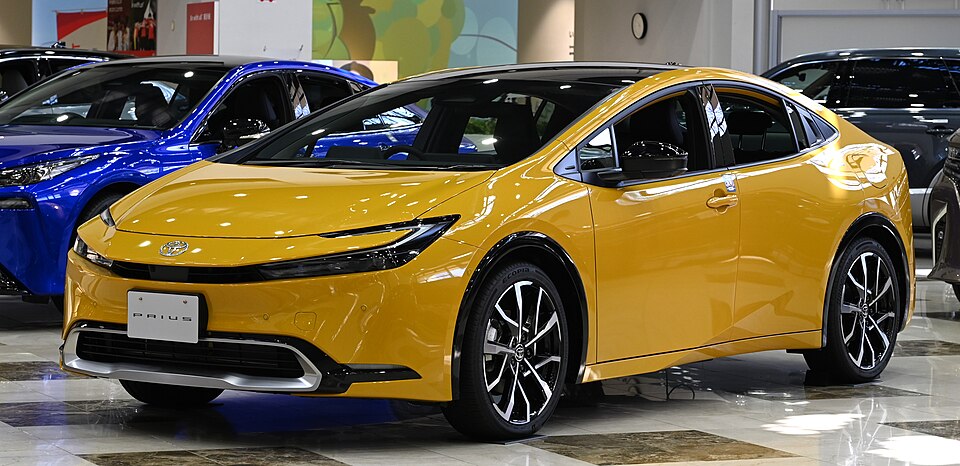
A practical guide for South African shoppers. The photographs are illustrative; they do not identify a specific car for sale or endorse a model.
Buying a used hybrid is not simply buying a petrol car with an extra battery. The sensible order is paperwork first, then an independent inspection, then a test drive. That sequence makes it harder for a shiny dashboard or a low advertised price to distract from the records that actually describe the car.
1. Start with the identity of the exact car
Before you travel to view it, ask for the registration number and VIN, then compare the returned vehicle description with the advert, the licence documentation and the labels on the car. In South Africa, AA AutoFacts says its verification report can validate VIN, engine, make, model and type, and can include service/maintenance, police-interest and financial-interest information. That is a useful independent cross-check—not a substitute for the official transfer process. AA AutoFacts: what its reports cover
Also ask the seller to name the exact derivative, not merely “hybrid”. A conventional hybrid, a plug-in hybrid and a mild hybrid ask different questions about charging, running patterns and equipment. If the car is a dealer sale, ask the brand dealer to confirm in writing whether any remaining manufacturer or hybrid-battery cover applies to that VIN, what conditions attach to it, and whether it transfers. Do not assume that a warranty advertised for a new model follows a used example.
2. Make the service file earn the price
Request photographs or scans of the service book, invoices and the most recent repair estimate before paying a deposit. The Automobile Association advises used-car shoppers to check service records and says those records should show regular servicing and replacement of due parts. AA: used-car homework
For a hybrid, add four specific questions to the file review:
- Which workshop performed each service, and can the invoice be matched to the VIN?
- Has any traction-battery, inverter, cooling-system or high-voltage work been carried out?
- Were recalls or service campaigns completed? Ask the franchised dealer to check the VIN rather than relying on a verbal assurance.
- Is the original charging cable present if the car is a plug-in hybrid, and does its condition match the vehicle’s claimed use?

3. Pay for an inspection that can discuss hybrid systems
Tell the inspector in advance that the car is a hybrid and ask what their report will and will not assess. A general pre-purchase check remains valuable: the AA describes its certified pre-owned process as a 125-point inspection that produces a factual report rather than a pass/fail verdict. AA Certified Pre-Owned inspection
For this purchase, add a written diagnostic read-out where a suitably equipped workshop can provide one, and ask the workshop to explain any stored fault codes, warning lights and limitations of the test. A clean dashboard at collection is not the same thing as a documented assessment. If the seller will not allow a pre-purchase inspection, treat that as information about the deal—not an invitation to skip the check.
4. Use the test drive to test the story
Drive the vehicle only after its identity and records make sense. The AA recommends a test drive before purchase because it can reveal condition and fit; take enough time to cover low-speed traffic, a hill and normal braking, where safe and legal. AA: why the test drive matters
Start with the car cold if possible. Look for warning messages, listen for unfamiliar noises, and note whether the seller’s explanation of charging, servicing and fuel use matches the paperwork. For a plug-in hybrid, ask the seller to demonstrate charging only with the car’s specified equipment and a suitable supply—do not improvise with damaged leads or unknown adapters.
5. Know the difference between a dealer and a private seller
Your route to redress can differ. The Consumer Protection Act defines a consumer transaction around a supplier acting in the ordinary course of business; the AA’s private-purchase guidance similarly cautions that a private sale is not the same as buying from a business. Consumer Protection Act 68 of 2008; AA: private used-car purchases
That is why a private-sale buyer should keep copies of the advert, the seller’s written answers, inspection report, proof of payment and a signed agreement that records the VIN, mileage, known defects, included keys/cables and agreed hand-over date. This is practical buying guidance, not legal advice; obtain independent advice if the contract or dispute is unusual.
The walk-away checklist
- No VIN or documents before a deposit.
- No independent inspection for a high-value purchase.
- No written answer on the service record, recalls and remaining cover.
- No clear explanation for warning lights, diagnostic codes or missing charging equipment.
- No signed record of what is included and what is disclosed.
A used hybrid can be an excellent fit for a city-and-highway routine, but the strongest bargain is the one whose identity, service history and inspection all tell the same story.
Sources
- Automobile Association of South Africa — AA AutoFacts
- Automobile Association of South Africa — used-car buying homework
- Automobile Association of South Africa — certified pre-owned inspections
- South African Government — Consumer Protection Act 68 of 2008
- Automobile Association of South Africa — private second-hand purchases
Image credits
- Cover: TTTNIS, 2023 Toyota Prius Z PHEV, CC0 1.0 via Wikimedia Commons.
- In-article image: deathpallie325, 2007 Toyota Prius interior, CC BY-SA 4.0 via Wikimedia Commons.


